1. The 4.6 pH Critical Threshold
In food safety science, the definitive gold standard for ambient vegetable preservation is reaching a pH of 4.6 or below within the first 48 to 72 hours of fermentation. The spore-forming anaerobic bacterium Clostridium botulinum cannot germinate or synthesize its lethal neurotoxin below this acidity threshold.
During a properly initiated lacto-ferment (with 2.5% salinity at 18°C–22°C), lactic acid bacteria generate lactic acid rapidly, dropping the starting produce pH from ~6.2 down to 4.2 in under 72 hours, creating an impenetrable biological barrier.
2. Pathogen Growth Parameters
| Pathogen | Minimum pH for Growth | Salt Tolerance | Inhibition Strategy |
|---|---|---|---|
| Clostridium botulinum | 4.6 | Up to 10% NaCl | Rapid acidification to pH < 4.4 within 48 hours |
| Listeria monocytogenes | 4.4 | Up to 12% NaCl | Competitive exclusion by dense LAB populations + low pH |
| Escherichia coli (STEC) | 4.4 | Up to 6% NaCl | Lactic acid accumulation and bacteriocins |
| Staphylococcus aureus | 4.0 | Up to 20% NaCl | Strict anaerobiosis (S. aureus requires oxygen for toxin) |
3. Calibrating Digital pH Pens
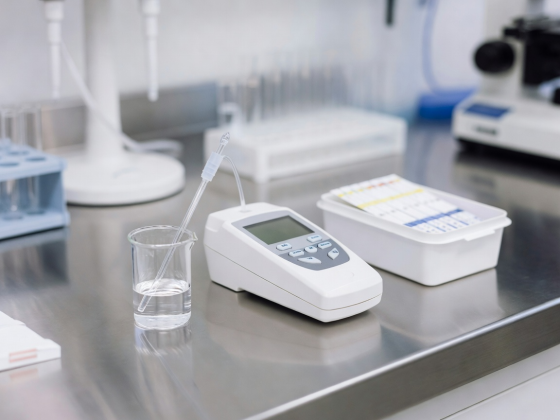
Litmus paper strips lack the resolution needed for strict safety certification. We recommend digital glass-electrode pH pens. Always perform a two-point calibration using standard Buffer 4.01 and Buffer 7.00 solutions before logging critical batch safety thresholds.